Ozempic (semaglutide) is a GLP‑1 receptor agonist commonly prescribed for type 2 diabetes and, where appropriate, for weight management. Reliable blood‑sugar control and tolerability depend on consistent weekly dosing, correct injection technique, and practical scheduling. This guide highlights the essentials: when to inject, how meals and injection site can affect absorption, correct injection technique, storage, and tips to stay on track.
Ongoing research continues to clarify the molecular and clinical actions of semaglutide, the active ingredient in Ozempic.
How Ozempic Works: Semaglutide’s Effect on Blood Sugar and Appetite Semaglutide is a long‑acting GLP‑1 analogue used in type 2 diabetes care. It boosts insulin release from pancreatic β‑cells and lowers glucagon secretion from α‑cells, helping to reduce blood glucose in a glucose‑dependent way. Semaglutide also affects appetite regulation, which contributes to weight‑loss effects in many patients. Recent studies aim to define these mechanisms more clearly and assess both benefits and limits of semaglutide therapy. Semaglutide—properties, actions and chromatographic analysis, 2025
Dosage Timing
Ozempic is given as a once‑weekly subcutaneous injection. Pick one day each week for your dose and, where possible, give it at the same time of day. A consistent schedule keeps drug exposure steady, simplifies monitoring, and makes it easier to anticipate and manage short‑term side effects.
Semaglutide’s long half‑life supports once‑weekly dosing and helps maintain its clinical effect between injections.
Pharmacokinetics of Ozempic: Weekly Dosing, Half‑Life and Interactions Clinical studies show that, at common doses, semaglutide has an approximate 7‑day half‑life and reaches steady state after about 4–5 weeks of weekly dosing. Documented drug interactions are limited and routine dose changes are usually unnecessary. As with other GLP‑1 agonists, semaglutide can delay gastric emptying, which may affect absorption of some oral medicines. Pharmacokinetics and Clinical Implications of Semaglutide: S. Hall et al., D. Isaacs, 2018
Where prescriptions and local rules permit, patients may access licensed online pharmacies such as Drug Mart; always follow your prescriber’s instructions and local regulations.
Meal Scheduling
Ozempic can be injected with or without food, giving flexibility to fit different routines. If you experience gastrointestinal side effects, smaller, more frequent meals may help and make continuing treatment easier.
Can Ozempic Be Taken Before or After Eating?
Yes. The weekly injection does not require a fixed interval before or after meals, so most people can schedule doses around their daily routines.
How Does Meal Timing Affect Ozempic Absorption?
Meal patterns influence gastrointestinal function and can indirectly affect tolerability and, to a lesser extent, absorption. Adjusting meal size and timing is mainly useful for managing side effects rather than changing the drug’s core effect.
Injection Sites
Inject subcutaneously into the abdomen, thigh, or upper arm. Use sites that allow consistent subcutaneous delivery, and rotate injection sites to reduce local tissue irritation and help maintain even absorption.
Factors Influencing Absorption
Absorption can vary with injection site, local tissue characteristics, and technique. Some people notice small differences in effect or side effects between abdominal and thigh injections. Discuss your experience with your clinician to choose the best site for you.
Ongoing studies investigate how injection location and other factors influence semaglutide’s pharmacokinetic profile.
Semaglutide Absorption: Injection Site and Drug Combination Effects Research indicates semaglutide’s overall exposure (AUC) is similar when given with certain combination products, though peak concentrations (Cmax) and timing can differ. In combinations, local interactions at the injection site—such as competition for albumin binding—may alter absorption kinetics. Pharmacokinetic properties of a once‑weekly fixed‑ratio combination of insulin icodec and semaglutide compared with separate administration: S.T. Buckley, 2024
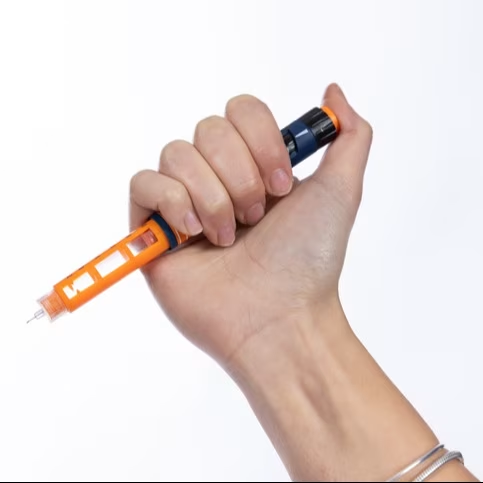
Injection Technique
Follow the manufacturer’s instructions. Hold the pen near‑perpendicular to the skin, inject as directed, and leave the needle in place for the recommended time (for example, count to six) to ensure the full dose is delivered. Good technique lowers the chance of local issues and helps ensure consistent dosing.
After you’ve learned proper technique, obtain your medication from licensed suppliers such as Drug Mart when appropriate and lawful.
Storage
Store Ozempic as directed to keep it effective: refrigerate before first use. Once a pen is in use, it can typically be kept at room temperature for the period stated on the label (commonly up to 56 days). Avoid extreme temperatures and direct sunlight, and always check the expiry date.
When Is the Best Time to Take Ozempic for Blood Sugar Control?
The ideal weekly time depends on your routine and tolerability. Many people choose morning dosing because it fits daily activities and monitoring, but the most important factor is a consistent weekly schedule agreed with your clinician.
How Does Semaglutide’s Pharmacology Influence Injection Timing?
Semaglutide enhances glucose‑dependent insulin secretion and suppresses glucagon, so keeping a steady weekly dosing schedule supports consistent postprandial glucose control.
Why Is Morning Dosing Often Recommended?
Morning dosing commonly aligns with daily habits and makes monitoring easier, though individual tolerability and lifestyle should determine the final choice.
How Should Ozempic Be Scheduled Around Meals?
Because Ozempic does not depend on meal timing, schedule your injections for convenience and adherence. If gastrointestinal side effects occur, coordinate dosing with meal patterns and adjust your diet to improve comfort.
Can Ozempic Be Taken Before or After Eating?
Yes—the injection may be given before or after meals, which adds flexibility and helps you keep a regular weekly routine despite variable meal schedules.
How Do Meal Patterns Affect Tolerability and Absorption?
Meal size and composition mainly affect tolerability; smaller, more frequent meals often reduce GI side effects and support steady therapy.
Key Tips for Managing Ozempic Injection Timing
Use routines and reminders, record dosing dates, and rotate injection sites to cut down on missed doses and local tissue problems. Simple systems boost adherence and support steady therapeutic effect.
Pick a Consistent Day and Time: A fixed weekly schedule lowers the chance of missed doses.
Use Reminders: Alarms or calendar alerts help you stay on track.
Rotate Injection Sites: Regular rotation prevents tissue issues and promotes uniform absorption.
How to Keep a Consistent Ozempic Schedule
Set electronic reminders and keep a dosing log. Recording doses helps with follow‑up and clinical reviews.
Adherence Strategies for Effective Use
Work with your healthcare team to tailor timing, adjust based on your response and tolerability, and check with your provider before changing the regimen.
How Does Injection Timing Affect Side Effects and Safety?
Consistent technique and site rotation reduce local risks. Timing can shape the pattern of side effects—especially gastrointestinal symptoms—so monitoring and small adjustments can improve tolerability.
Which Side Effects Are Affected by Timing?
Nausea and other GI effects may vary with when you inject and with meal patterns; tracking symptoms alongside dosing helps find improvements.
How to Adjust Timing to Reduce Adverse Effects
If you have side effects, consider changing the injection day or time after discussing it with your clinician. Aligning dosing with meal habits and using simple supportive measures often lessens discomfort and helps you stay on therapy.
Frequently Asked Questions
What should I do if I miss an Ozempic injection?
If you miss a dose, take it as soon as you remember if it’s within five days of your scheduled dose. If more than five days have passed or your next dose is coming up soon, skip the missed dose and return to your regular schedule. Do not take two doses at once—contact your healthcare provider for personalised advice.
Can I use Ozempic if I am pregnant or breastfeeding?
Ozempic is not recommended during pregnancy or breastfeeding. Discuss family planning and alternative treatments with your healthcare provider.
How long does it take for Ozempic to start working?
Some reductions in blood glucose may be seen within the first week, while fuller effects on glucose and weight usually build over several weeks. Many people notice meaningful changes after about four to five weeks of consistent dosing, but individual responses vary.
Are there any dietary restrictions while taking Ozempic?
There are no strict prohibitions, but a balanced diet that supports diabetes management is recommended—focus on vegetables, lean proteins, and whole grains, and limit processed foods and added sugars. Ask your healthcare team or a registered dietitian for personalised guidance.
What should I do if I experience side effects from Ozempic?
Tell your healthcare provider about persistent or severe side effects. They can recommend timing adjustments, dose titration, or alternative therapies to keep treatment effective and tolerable.
Can Ozempic be used with other diabetes medicines?
Yes—Ozempic can be combined with treatments such as metformin or insulin under clinical supervision. Talk with your healthcare provider before starting combinations so dosages and schedules can be safely managed.
How should I store Ozempic to maintain its effectiveness?
Keep unused pens refrigerated and follow the product label for post‑opening storage (commonly room temperature for a limited period, for example up to 56 days). Protect pens from extreme temperatures and sunlight, check expiry dates, and ask your pharmacist if you have storage questions.
Find Affordable Brand-Name and Generic Drugs at Drugmart.com At Drugmart.com, we pride ourselves on our affordability, exceptional quality and ease of use when our patients shop for both brand-name and generic drugs. We work closely with the world's most reputable pharmacies to provide high-quality medications from Canada and other tier 1 international sources at unmatched prices, so you can get the treatment you need without worrying about affordability.
Sources
Sztanek, F., Tóth, L. I., Pető, A., Hernyák, M., Diószegi, Á., & Harangi, M. (2024). New Developments in Pharmacological Treatment of Obesity and Type 2 Diabetes—Beyond and within GLP-1 Receptor Agonists. Biomedicines, 12(6), 1320. https://www.mdpi.com/2227-9059/12/6/1320
Olukorode, J., Orimoloye, D. A., Nwachukwu, N. O., Onwuzo, C., Oloyede, P. O., Fayemi, T., Odunaike, O. S., Ayobami-Ojo, P. S., Divine, N., Alò, D., & Alex, C. (2024). Recent Advances and Therapeutic Benefits of Glucagon-Like Peptide-1 (GLP-1) Agonists in the Management of Type 2 Diabetes and Associated Metabolic Disorders. Cureus. https://www.cureus.com/articles/285185-recent-advances-and-therapeutic-benefits-of-glucagon-like-peptide-1-glp-1-agonists-in-the-management-of-type-2-diabetes-and-associated-metabolic-disorders#!/
Vergès, B., Aboyans, V., Angoulvant, D., Boutouyrie, P., Cariou, B., Hyafil, F., Mohammedi, K., & Amarenco, P. (2022). Protection against stroke with glucagon-like peptide-1 receptor agonists: a comprehensive review of potential mechanisms. Cardiovascular Diabetology, 21(1). https://link.springer.com/article/10.1186/s12933-022-01686-3
Related Articles

CIPA: How Online Canadian Pharmacies Save You Money
The Canadian International Pharmacy Association (CIPA) was formed in 2002. Their job is to work with regulators, pharmacists, physicians, consumer special interest groups, government members and...

7 Benefits of Ordering Medication from Canada
Why should you be ordering medication from Canada and abroad? It's easy to agree that Americans should have the same access to affordable prescription medications as the rest of the world. In many...

Ozempic vs Other Medications: What to Know About Diabetes Care and Weight Management
Ozempic is a prescription treatment for Type 2 diabetes that also helps many people with weight management. This review compares Ozempic with other options —...