Tums is a common over-the-counter antacid that eases heartburn and indigestion mainly through its active ingredient, calcium carbonate. Knowing how Tums’ ingredients work and what risks they carry helps you use the product safely. This article explains the role of calcium carbonate and other components, outlines potential side effects, and highlights important precautions. We also cover interactions with other medicines and basic dosing guidance so you can take Tums responsibly.
What are the main ingredients in Tums and what do they do?
Tums’ active ingredient is calcium carbonate, which neutralizes stomach acid to relieve acid-related discomfort. By reducing acidity, it helps ease heartburn and indigestion quickly. Tums also contains inactive ingredients—flavors, sweeteners, and binders—that improve taste and stability. Those extras are usually safe, but people with sensitivities should check the full ingredient list before using the product.
What is calcium carbonate and how does it work as an antacid?
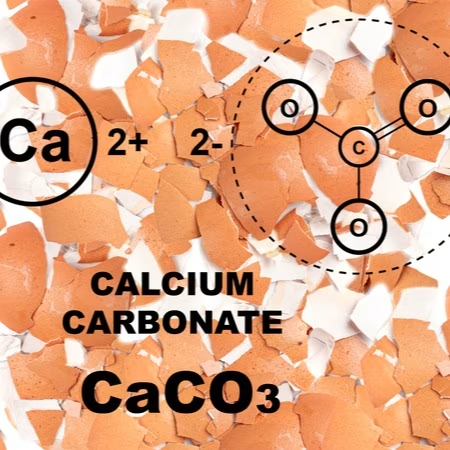
Calcium carbonate is a mineral compound that neutralizes gastric acid in the stomach. When you take it, it reacts with hydrochloric acid to produce calcium chloride, water, and carbon dioxide, which lowers acidity and brings fast symptom relief. Because it works quickly and effectively, calcium carbonate is a popular choice among over-the-counter antacids.
Research also suggests calcium may influence how the esophagus moves, which could help prevent reflux in addition to neutralizing acid.
Tums & esophageal motility: how calcium carbonate may relieve heartburn Chewed calcium carbonate (CaCO3) quickly neutralizes esophageal acid and may reduce reflux by improving esophageal muscle function independent of its acid-neutralizing action. Because calcium plays a role in muscle tone, studies have explored whether calcium released from chewed antacids can improve esophageal motor function in people with heartburn. Source: Calcium carbonate antacids alter esophageal motility in heartburn sufferers, 2004
Are there other ingredients in Tums that can affect health?
Besides calcium carbonate, Tums contains inactive ingredients such as flavorings, sweeteners, and binders to make the tablets palatable and stable. These are generally safe for most people, but some may experience sensitivities or allergic reactions. Always read the full ingredient list if you have allergies or known sensitivities.
What are the common side effects and health risks of Tums?
Tums provides relief for many people, but it can cause side effects in some cases—especially if taken often or in large amounts. Being aware of these effects helps you use Tums more safely and spot issues early.
Which side effects are most frequently reported with Tums use?
Common side effects may include:
Constipation: High calcium intake can slow bowel movements for some people.
Gas and bloating: When calcium carbonate reacts with stomach acid it can release carbon dioxide, which may cause gas and bloating.
Nausea: Some people feel nauseous after taking Tums, particularly on an empty stomach.
These effects are usually mild. If they’re persistent or bothersome, check with a healthcare professional.
What are the risks of hypercalcemia and kidney stones from calcium carbonate?
Taking too much calcium carbonate can raise blood calcium levels (hypercalcemia). Symptoms of high calcium include nausea, vomiting, and confusion. Excess calcium may also increase the risk of kidney stones in people prone to them. Stick to the recommended dose and talk with a provider if you have conditions that affect calcium balance.
How does Tums interact with other medications and what safety steps should I take?
Tums can change how other medicines are absorbed or how well they work. Knowing these interactions is important, especially if you take multiple prescriptions. For a variety of healthcare products, including antacids, visit Drug Mart.
Interactions happen through different mechanisms—changes to stomach acidity, altered gut motility, or direct binding of a drug to the antacid—any of which can reduce a medication’s availability in the body.
Antacid drug interactions: mechanisms and clinical impact Antacid use alongside other medications is common. The likelihood of interaction depends on the antacid’s chemical and physical properties. Interactions can result from changed gastrointestinal motility, shifts in gastric or urinary pH, or direct adsorption of drugs onto the antacid, all of which can lower drug bioavailability. Notable interactions occur with some quinolones, NSAIDs, and certain cephalosporins. Source: Drug interactions with antacids: mechanisms and clinical significance, 1994
Which medications commonly interact with Tums?
Medications known to interact with calcium carbonate include:
Certain antibiotics: Some antibiotics (for example, tetracyclines and some fluoroquinolones) may be less well absorbed if taken with calcium.
Blood pressure medicines: A few antihypertensives can be affected when taken with antacids.
Thyroid medications: Calcium can interfere with thyroid drug absorption, so timing is important.
Talk with your healthcare provider or pharmacist about your medications to manage these risks and adjust timing if needed.
How can users safely manage Tums and medication interactions?
Space doses: Leave at least two hours between Tums and other medications when possible to reduce interaction risk.
Consult healthcare providers: Tell your doctor or pharmacist about all prescription and over‑the‑counter products you take, including antacids.
Monitor symptoms: Watch for new or worsening symptoms after starting Tums and report them to your provider.
Following these steps can help you use Tums safely along with other medicines.
What are the dosage guidelines and overdose symptoms for Tums?
Following dosing recommendations helps prevent adverse effects. Know the typical dose ranges, recognize signs of overdose, and seek help if needed. For trusted health products, Drug Mart carries a wide selection.
What is the recommended dosage for safe use of Tums?
Recommended dosing depends on the Tums product and your needs. As a general guideline, adults may take 2–4 tablets as needed, not exceeding 7,500 mg (about 15 standard tablets) in 24 hours. Always follow package directions and check with a healthcare provider for guidance tailored to your health situation.
What symptoms indicate a Tums overdose and when should I seek help?
Signs of an overdose or excess calcium may include:
Severe nausea: Ongoing nausea that doesn’t improve.
Vomiting: Frequent vomiting that risks dehydration.
Confusion or dizziness: Neurologic symptoms that can signal high blood calcium.
If you experience these symptoms, seek medical care right away. Prompt treatment reduces the chance of serious complications. For more information on health products, visit Drug Mart.
Frequently asked questions
Can Tums be used during pregnancy or breastfeeding?
Tums is often considered safe for occasional use in pregnancy and while breastfeeding, but you should check with your healthcare provider first. Heartburn is common in pregnancy, and calcium carbonate can help, but excessive calcium intake isn’t recommended. Your provider can advise on safe doses for your situation.
Are there any long-term effects of using Tums regularly?
Regular, long-term use of Tums can increase the risk of elevated blood calcium (hypercalcemia) and may affect your body’s acid‑base balance. It can also lead to reliance on antacids instead of addressing underlying causes of reflux. Use Tums as needed and consult a healthcare professional if symptoms persist.
What should I do if I miss a dose of Tums?
Tums is taken as needed rather than on a strict schedule. If you miss a dose, take it when you remember unless it’s nearly time for the next dose—do not double up. Follow the product instructions and ask a healthcare provider if you’re unsure.
Can children take Tums, and if so, what is the appropriate dosage?
Children may use certain Tums formulations, but always check with a pediatrician for dose recommendations based on the child’s age and weight. Tums is generally not recommended for children under 12 without medical advice. Parents should monitor use and avoid exceeding the recommended amount.
How should Tums be stored to maintain effectiveness?
Store Tums in a cool, dry place away from direct sunlight and moisture. Keep the container tightly closed to protect tablets from air and humidity, and check the expiration date—dispose of expired products safely. Proper storage helps keep Tums effective when you need it.
What lifestyle changes can help reduce the need for Tums?
To lower reliance on antacids, try avoiding foods that trigger heartburn, eat smaller meals, and avoid lying down right after eating. Maintaining a healthy weight, quitting smoking, and limiting alcohol can also help. Regular exercise and stress‑management techniques like yoga or meditation may reduce digestive discomfort over time.
CTA en Drug Mart Purchase Your Over-the-Counter and Prescription Drugs From https://drugmart.com/ You can rely on https://drugmart.com/ for over-the-counter and prescription drugs at a discount. We're a leading referral service for patients who want to order medications from Canada online and other international partners, offering unparalleled customer service. If you have any questions, be sure to contact our outstanding customer service representatives for the answers you need.
Sources
Gonçalves, T., Almeida, A., Pontes, L., Oliveira, J., Feitosa, M., Júnior, J., … & Medeiros, I. (2025). Monoterpenes in Vascular Function: A Review of Bioactivity and Mechanisms of Action. International Journal of Molecular Sciences, 26(18), 9243. https://www.mdpi.com/1422-0067/26/18/9243
Laoutid, F., Vahabi, H., Movahedifar, E., Laheurte, P., Vagner, C., Cochez, M., … & Saeb, M. (2020). Calcium carbonate and ammonium polyphosphate flame retardant additives formulated to protect ethylene vinyl acetate copolymer against fire: Hydrated or carbonated calcium?. Journal of Vinyl and Additive Technology, 27(2), 264-274. https://4spepublications.onlinelibrary.wiley.com/doi/10.1002/vnl.21800
Lou, Y., Zhang, H., Chang, W., Yang, J., Chen, X., Hao, X., … & Zhang, D. (2025). Influence of calcium sources on the bio-mineralization behavior of Shewanella putrefaciens and induced microbiologically influenced corrosion inhibition. Frontiers in Microbiology, 16. https://www.frontiersin.org/journals/microbiology/articles/10.3389/fmicb.2025.1532151/full
Related Articles

How To Order Medications from Canada
Are you wondering how to order medications from Canada but are unsure where to start? Do you want to pay lower prices on name-brand medicine from Canada? Don't worry, we can help! This step-by-step guide will...

How Many Tums Can You Take in a Day
Generally, adults can take up to 7,500 mg of calcium carbonate daily. This means about 15 Regular Strength (500 mg each), 10 Extra Strength (750 mg each), or 7 Ultra Strength (1000 mg each) tablets. Pregnant...

CIPA: How Online Canadian Pharmacies Save You Money
The Canadian International Pharmacy Association (CIPA) was formed in 2002. Their job is to work with regulators, pharmacists, physicians, consumer special interest groups, government members and...