Eliquis is one of the most widely prescribed blood thinners available today, and like any medication, it needs to be stored properly to keep doing its job. When it isn't handled correctly, its potency can quietly diminish — and for a blood thinner, that's a risk no one should take. This article walks through everything patients and caregivers need to know: the right storage temperature, how long it stays effective, practical handling tips, and the safety warnings worth keeping in mind.
What Is the Recommended Storage Temperature for Eliquis?
The sweet spot for storing Eliquis is between 2 and 30°C (36–86°F). Staying within that range is what keeps the medication stable and working as it should. Stray outside of it — even occasionally — and the drug can begin to degrade, leaving it less effective when it matters most.
Why Should Eliquis Be Stored Between 2 to 30 Degrees Celsius?
Keeping Eliquis within that 2–30°C window isn't arbitrary — it directly protects apixaban, the active ingredient that does the work. Once temperatures climb above 30°C, apixaban can start to break down, and a weakened anticoagulant effect means a greater chance of dangerous clotting. Sticking to the recommended range is one of the simplest ways to protect both safety and effectiveness.
Can Eliquis Be Refrigerated or Frozen?
Refrigerating Eliquis is fine — it's a practical way to keep the medication within the safe temperature range, especially in warmer climates. Freezing it, however, is a different matter entirely. Extremely low temperatures can cause irreversible damage and strip the medication of its potency. As always, the storage instructions printed on the packaging are the best guide, and extreme temperatures in either direction are best avoided.
How Long Is Eliquis Shelf Life and Expiration Period?
Most Eliquis tablets carry a shelf life of around two years from the date they were manufactured. That expiration date on the packaging isn't just a formality — it marks the point beyond which the medication can no longer be relied on to work as intended. Using it past that date isn't worth the risk, as expired medication may fall short of providing the anticoagulation protection patients depend on.
What Factors Affect Eliquis Expiration Dates?
Several things can shorten Eliquis's shelf life before that printed date even arrives. Poor storage conditions, damaged packaging, and prolonged exposure to light or moisture can all quietly accelerate degradation. Keeping it in a cool, dry spot away from direct sunlight — and giving the packaging a quick check before each use — goes a long way toward preserving its stability for as long as possible.
These stability principles explain why proper storage matters and are supported by product shelf-life research.
Pharmaceutical Shelf-Life: Storage, Stability, Temperature & Humidity Manufacturers assign a shelf-life to indicate how long a product is safe and effective under specific storage conditions. That assignment uses factors such as the chemical stability of the active pharmaceutical ingredient and whether any degradation products could be hazardous. Changes that affect bioavailability—loss of potency, precipitation in liquids, or slower release in the gastrointestinal tract—also limit shelf-life. Accelerated ageing studies use temperature and relative humidity to predict long-term stability without waiting for the full shelf-life to elapse. Understanding and predicting pharmaceutical product shelf-life, KC Waterman, 2009
How To Check Eliquis Shelf Life Before Use?
Finding the expiration date is straightforward — it's printed directly on the packaging. The key habit is checking it regularly, not just when a new pack is opened. If there's ever any doubt about whether a supply is still safe or effective, a quick conversation with a healthcare provider is the right call. It's a small step that can prevent a much larger problem.
What Are the Proper Handling and Packaging Instructions for Eliquis?
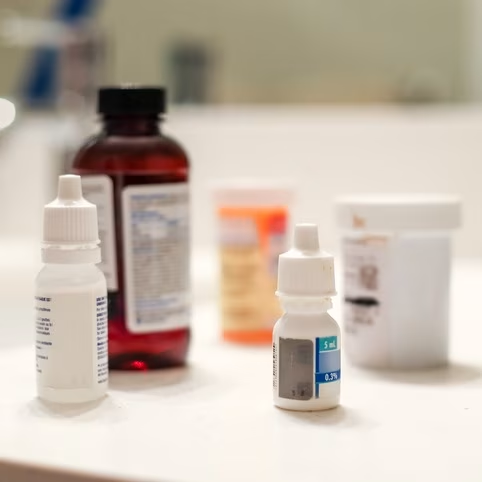
Careful handling makes a real difference with Eliquis. Keeping the tablets in their original packaging — rather than transferring them to a loose container — shields them from moisture and light, two of the most common culprits behind early degradation. That original packaging is designed to protect the medication right through to the end of its shelf life.
How To Store Eliquis Blister Packs Safely?
Blister packs should stay in their original container and be kept somewhere cool and dry. Bathrooms might seem like a convenient spot for medications, but the humidity from showers and sinks can be surprisingly damaging to Eliquis. Choosing a consistent, designated storage location — a bedroom drawer or a dedicated medicine cabinet in a dry room — removes a lot of the guesswork and reduces the chance of accidental exposure to harmful conditions.
What Precautions Should Be Taken to Avoid Moisture and Light Exposure?
Direct sunlight is another factor to keep in mind — windowsills and countertops near windows aren't ideal spots, even if the temperature seems fine. A cool, dry place away from light is always the better choice, and the medication should be kept well out of reach of children and pets. For an added layer of protection, a dedicated storage container can help buffer against the kinds of environmental fluctuations that slowly wear away at stability.
What Safety Warnings and Common Mistakes Should You Know About Eliquis Storage?
Even small lapses in how Eliquis is stored can chip away at its effectiveness — and with a blood thinner, reduced efficacy isn't something to take lightly. Understanding the most common storage mistakes is the first step to avoiding them.
What Happens If Eliquis Is Stored Improperly?
When Eliquis isn't stored properly, the medication can degrade in ways that aren't always visible. The tablets may look fine, but the active ingredient may no longer be at full strength. The consequence of inadequate anticoagulation can be serious — an increased risk of blood clots is among the most concerning outcomes. Following the recommended storage guidelines consistently is the most reliable way to prevent that from happening.
How To Avoid Common Storage Errors With Blood Thinner Medications?
Avoiding storage errors with a blood thinner like Eliquis comes down to a few consistent habits. Here's what makes the biggest difference:
Store in Original Packaging: Always keep Eliquis in its original container to protect it from moisture and light.
Check Expiration Dates Regularly: Monitor expiration dates to ensure the medication is still effective.
Avoid Humid Areas: Do not store Eliquis in bathrooms or other humid environments that can compromise its integrity.
These habits may seem simple, but consistently following them is what keeps Eliquis working safely and reliably over time.
It's worth noting that proper storage knowledge isn't just a patient responsibility — research highlights that healthcare providers equally benefit from a solid understanding of oral anticoagulant storage and administration.
Oral Anticoagulant Storage & Administration Knowledge A 2017 electronic survey of Canadian health care providers assessed knowledge around oral anticoagulant indication, dosing, storage, and administration using 18 practical questions. Oral anticoagulant dosing, administration, and storage: a cross-sectional survey of Canadian health care providers, S Piran, 2018
For more on medication management, you might find resources on "dose schedules" helpful.
Frequently Asked Questions
Can I take Eliquis if I miss a dose?
If you miss a dose, take it as soon as you remember. If it is almost time for your next dose, skip the missed dose—do not take two doses at once. Keeping a regular dosing schedule helps the medication work as intended. If you often forget doses, set reminders or discuss options with your healthcare provider.
What should I do if Eliquis is damaged or the packaging is compromised?
If the packaging is damaged or the medication looks compromised, do not use it. Contact your pharmacist or healthcare provider for advice on whether to replace it. Damaged packaging can expose Eliquis to moisture and light, which may affect stability. Always inspect packaging before use.
Are there any specific storage instructions for Eliquis after opening?
After opening, keep Eliquis in its original blister pack or container to protect it from moisture and light. Store it in a cool, dry place away from direct sunlight and avoid humid areas like bathrooms. These steps help maintain stability throughout the shelf life.
Can I travel with Eliquis? What precautions should I take?
You can travel with Eliquis. Keep it in the original packaging and carry it in your hand luggage to avoid temperature fluctuations. Bring a copy of your prescription and let travel companions know about your medication in case of an emergency. Check storage conditions at your destination to ensure the medicine stays effective.
What should I do if I notice changes in Eliquis colour or texture?
If Eliquis changes colour, texture, or appearance, do not take it. Such changes may indicate degradation or contamination. Contact your pharmacist or healthcare provider to determine whether it should be replaced. Regular inspection of your medications helps ensure they are safe to use.
Is it safe to store Eliquis in a pill organizer?
Storing Eliquis in a pill organizer is not recommended because it can expose the medication to moisture and light. It is best to keep Eliquis in its original packaging until you are ready to take it. If you must use a pill organizer for convenience, transfer the dose just before use and keep the organizer in a cool, dry place.
Count on https://drugmart.com When You Need to Import Prescription Drugs Through Canada When you work with https://drugmart.com, ordering medicine through Canada is easy, safe and cost-effective. You can rely on our reputable network of pharmacies to deliver the authentic drugs you need. If you're ready to import prescription drugs through Canada and our other verified international pharmacies, you can start today by browsing our available medications.
Sources
Cai, X., & Rosand, J. (2019). Intracerebral Hemorrhage in the Neurocritical Care Unit. 129–145. https://www.cambridge.org/core/books/abs/neurocritical-care/intracerebral-hemorrhage-in-the-neurocritical-care-unit/AE06B0ADCC96165474441A8A866A511B
Byon, W., Garonzik, S. M., Boyd, R. A., & Frost, C. (2019). Apixaban: A Clinical Pharmacokinetic and Pharmacodynamic Review. Clinical Pharmacokinetics, 58(10), 1265–1279. https://link.springer.com/article/10.1007/s40262-019-00775-z
Warden, B. A., Mackay, J., Jafari, M., Willman, A. M., & Stecker, E. C. (2018). Use of Direct Oral Anticoagulants Among Patients Undergoing Cardioversion: The Importance of Timing Before Cardioversion. Journal of the American Heart Association, 7(22). https://www.ahajournals.org/doi/10.1161/JAHA.118.010854
Related Articles

Cheapest Place to Buy Eliquis Online (Guide)
If you're ready to purchase Eliquis (Apixaban), a commonly prescribed blood thinner, there are several ways to cut costs—whether you're uninsured or looking to reduce your copay. While U.S....

Eliquis Purchase Requirements in Canada Explained
If you or someone you care for takes Eliquis to reduce the risk of stroke or blood clots, understanding Canada's purchasing rules can save a lot of confusion. This guide walks you through...

Understanding Monthly Costs for Apixaban (Eliquis): A Practical Price Comparison and Insurance Guide
Apixaban (brand name Eliquis) is an oral anticoagulant that lowers the risk of blood clots. Estimating your monthly cost helps patients and caregivers...